
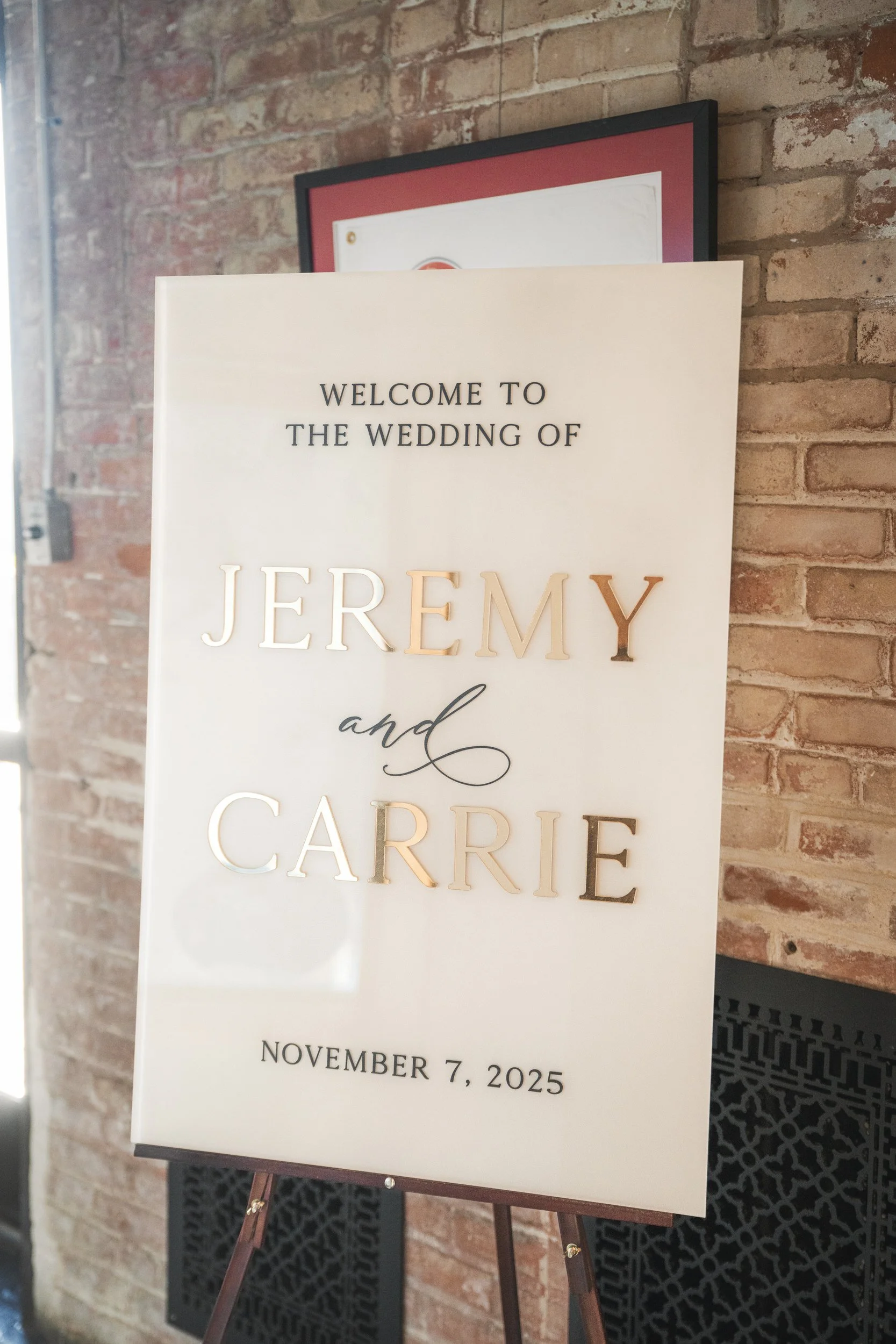
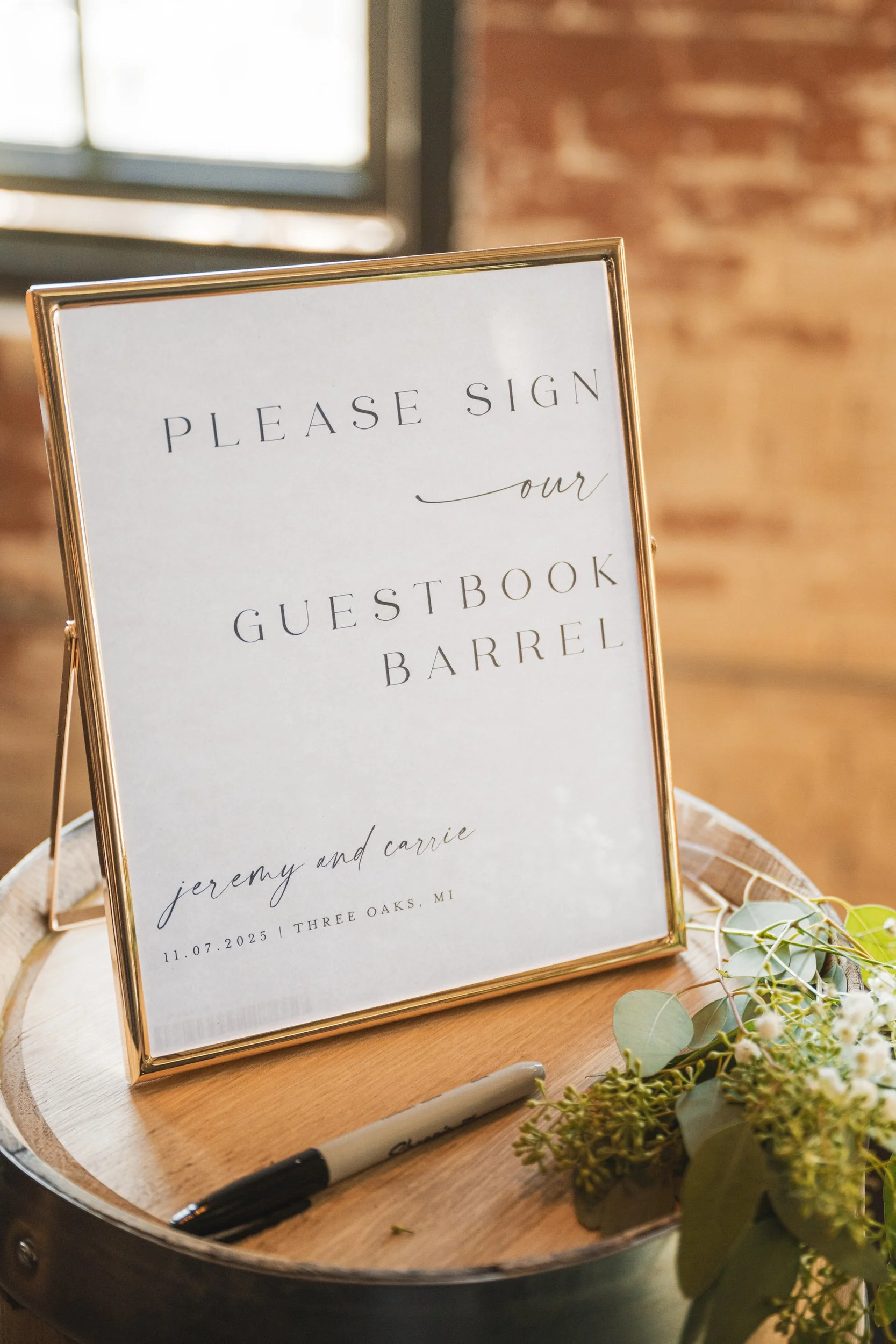
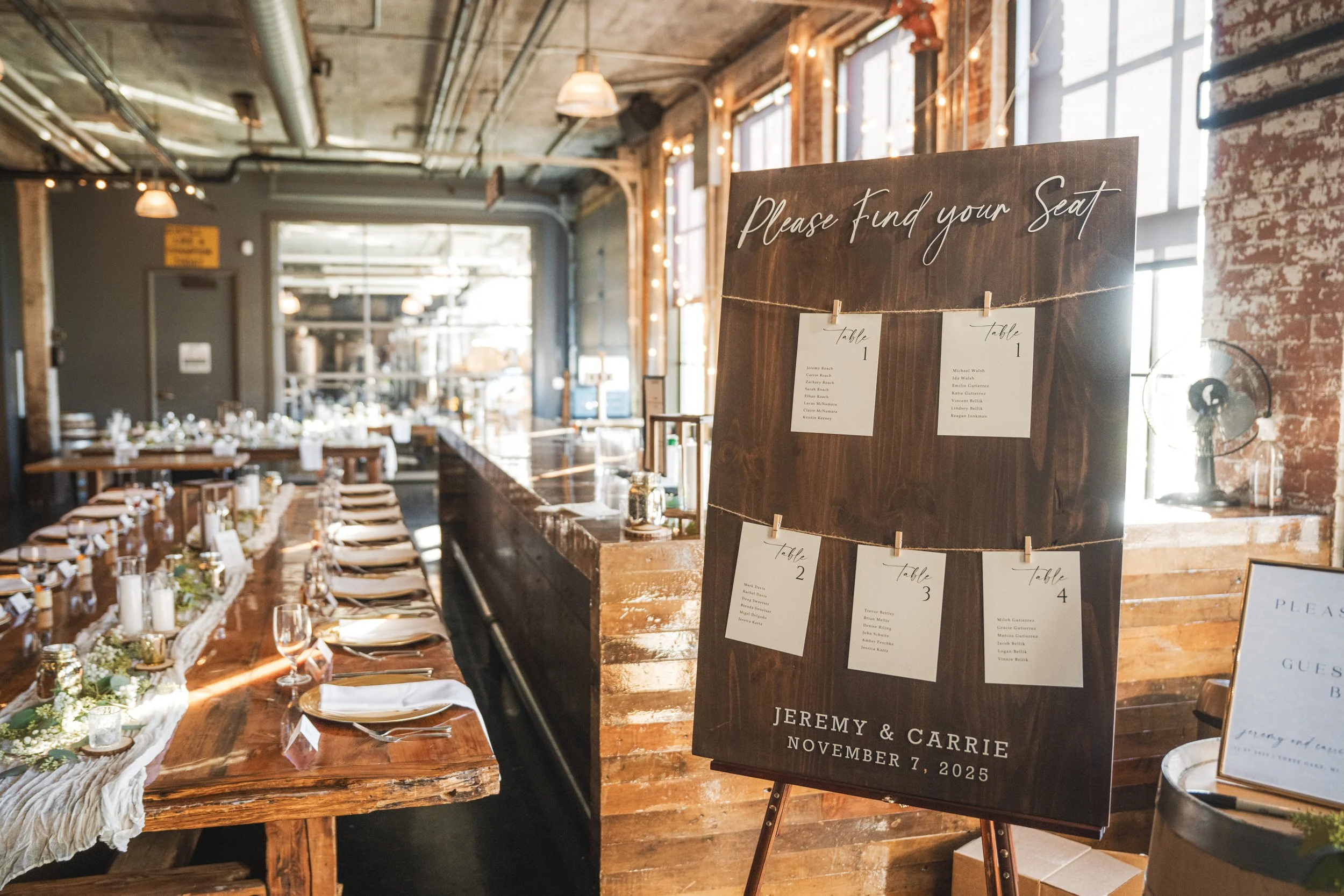
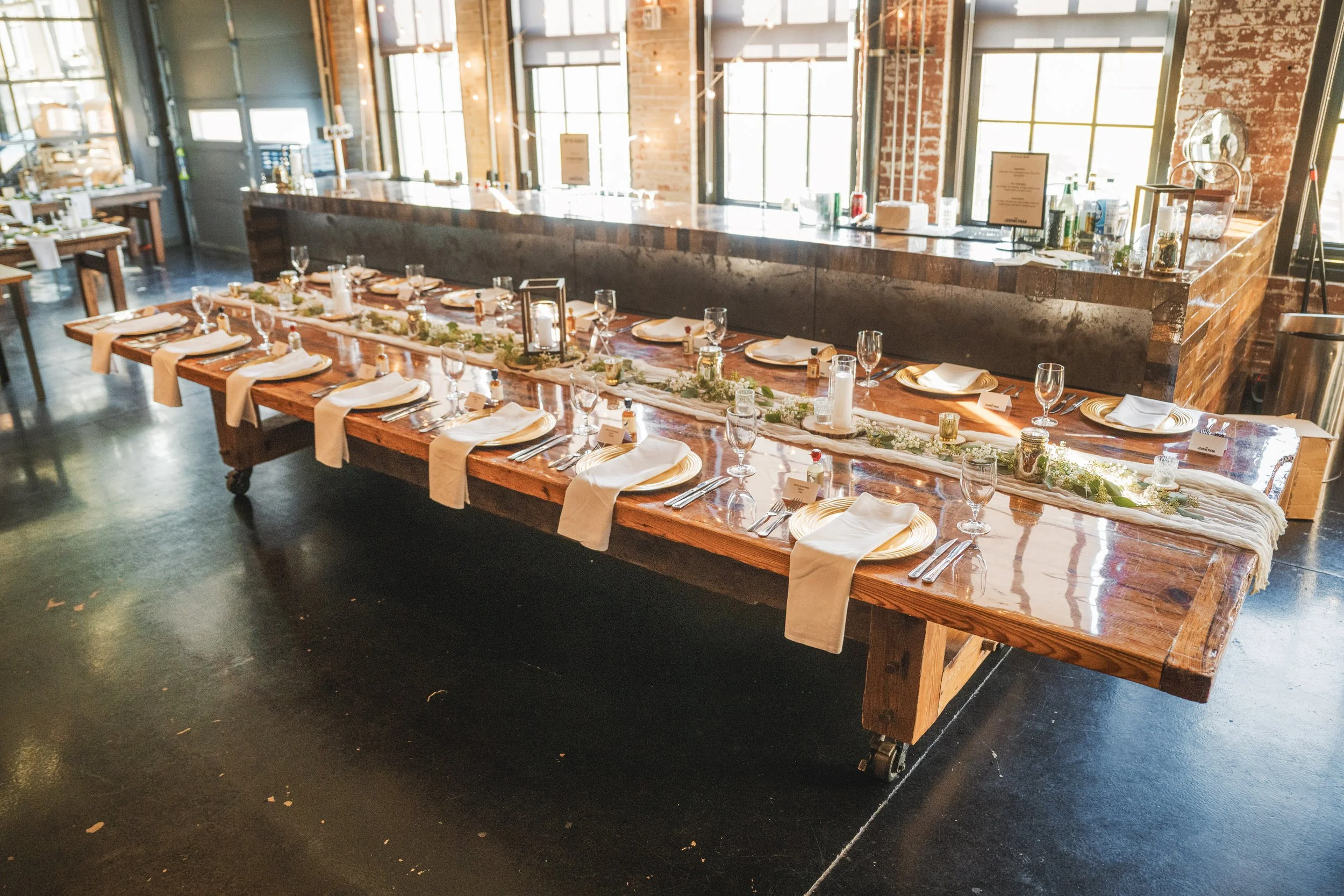
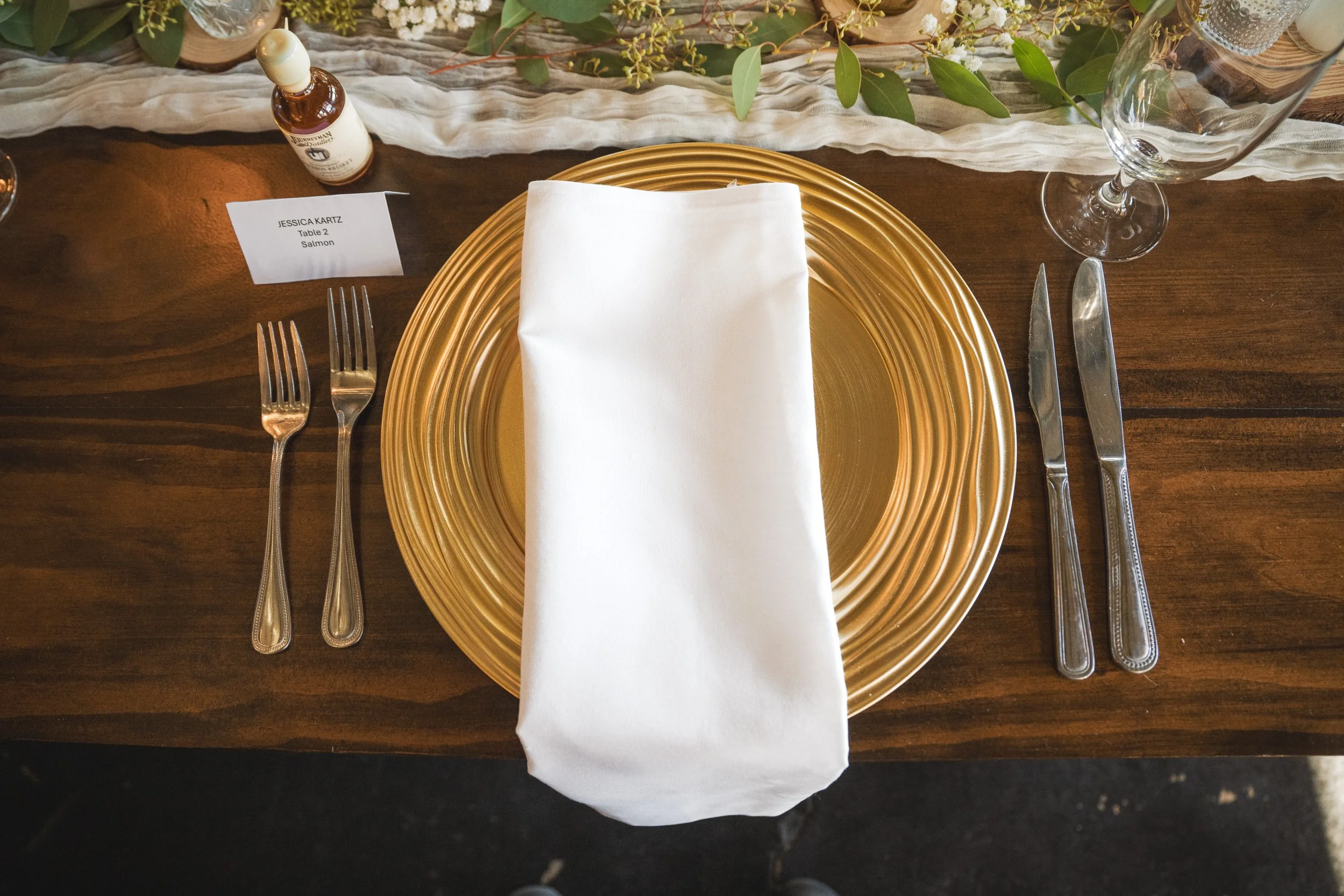
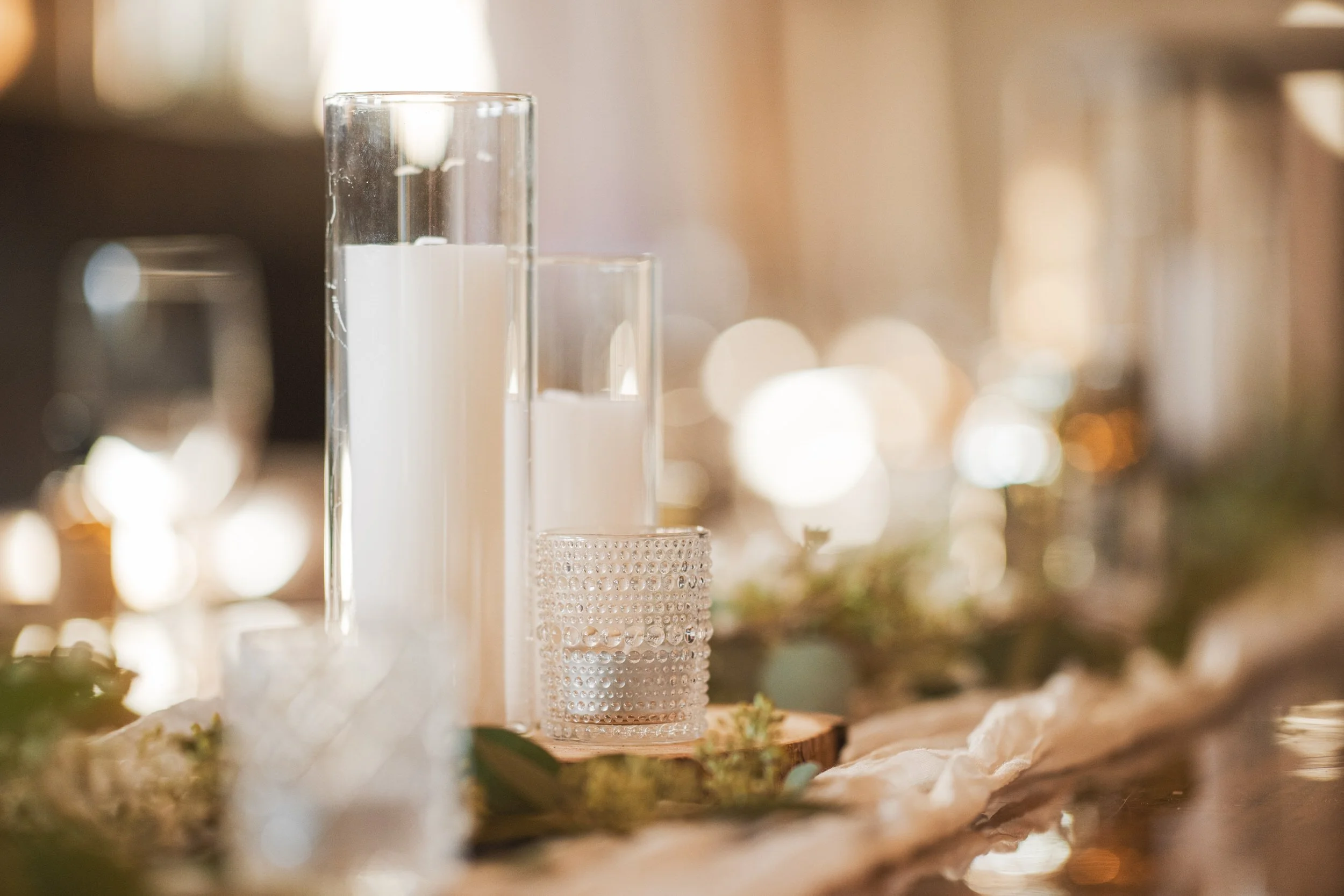
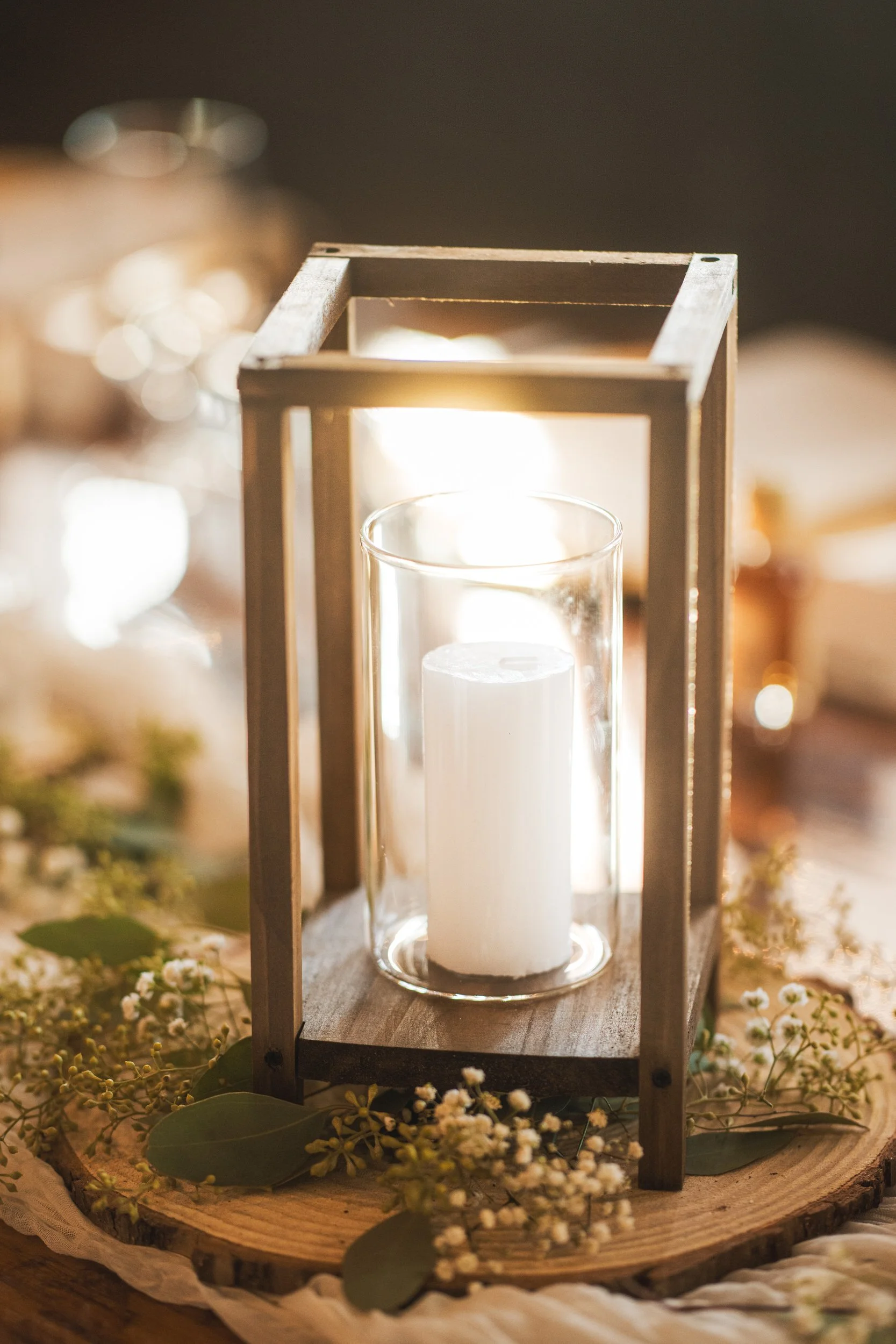
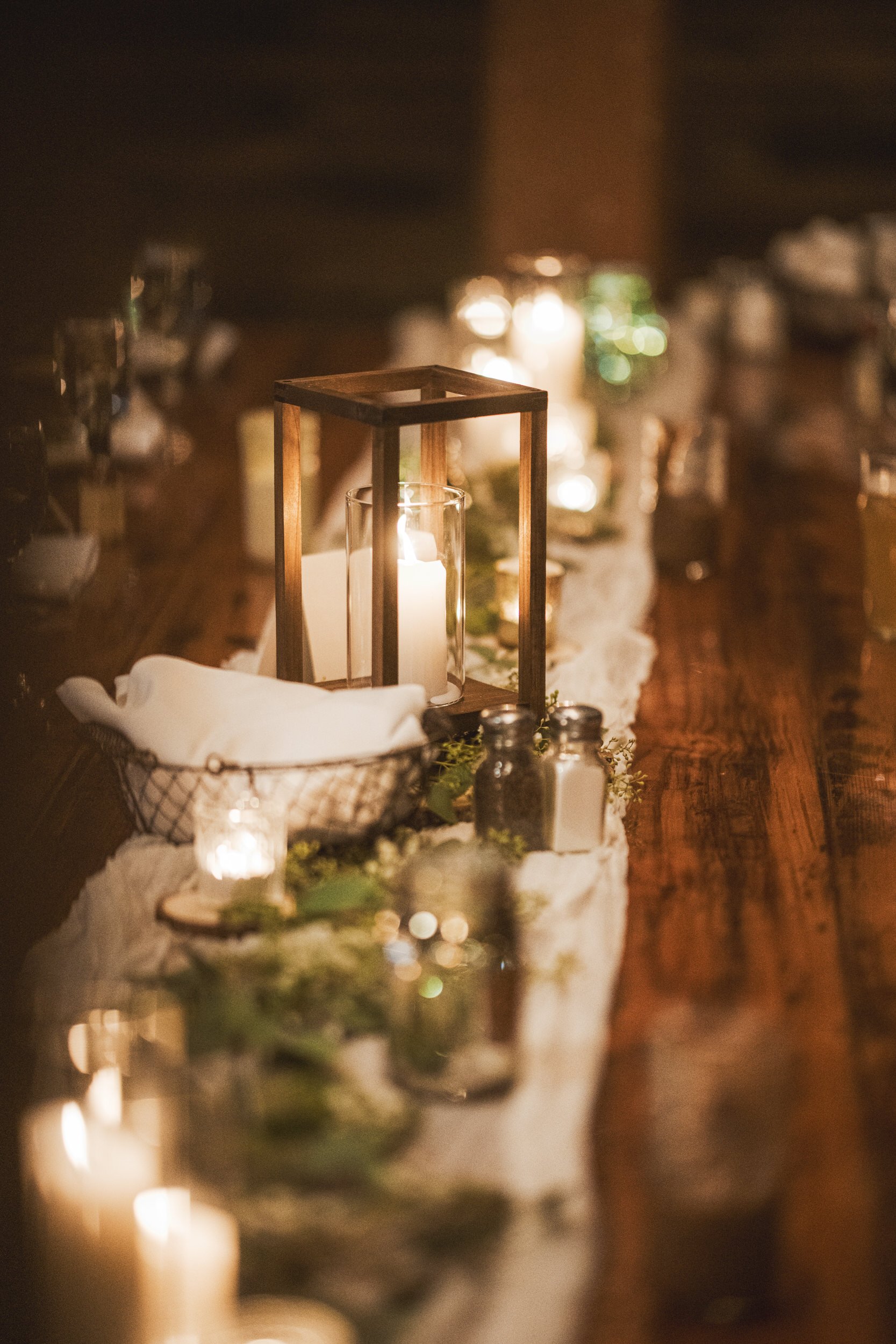
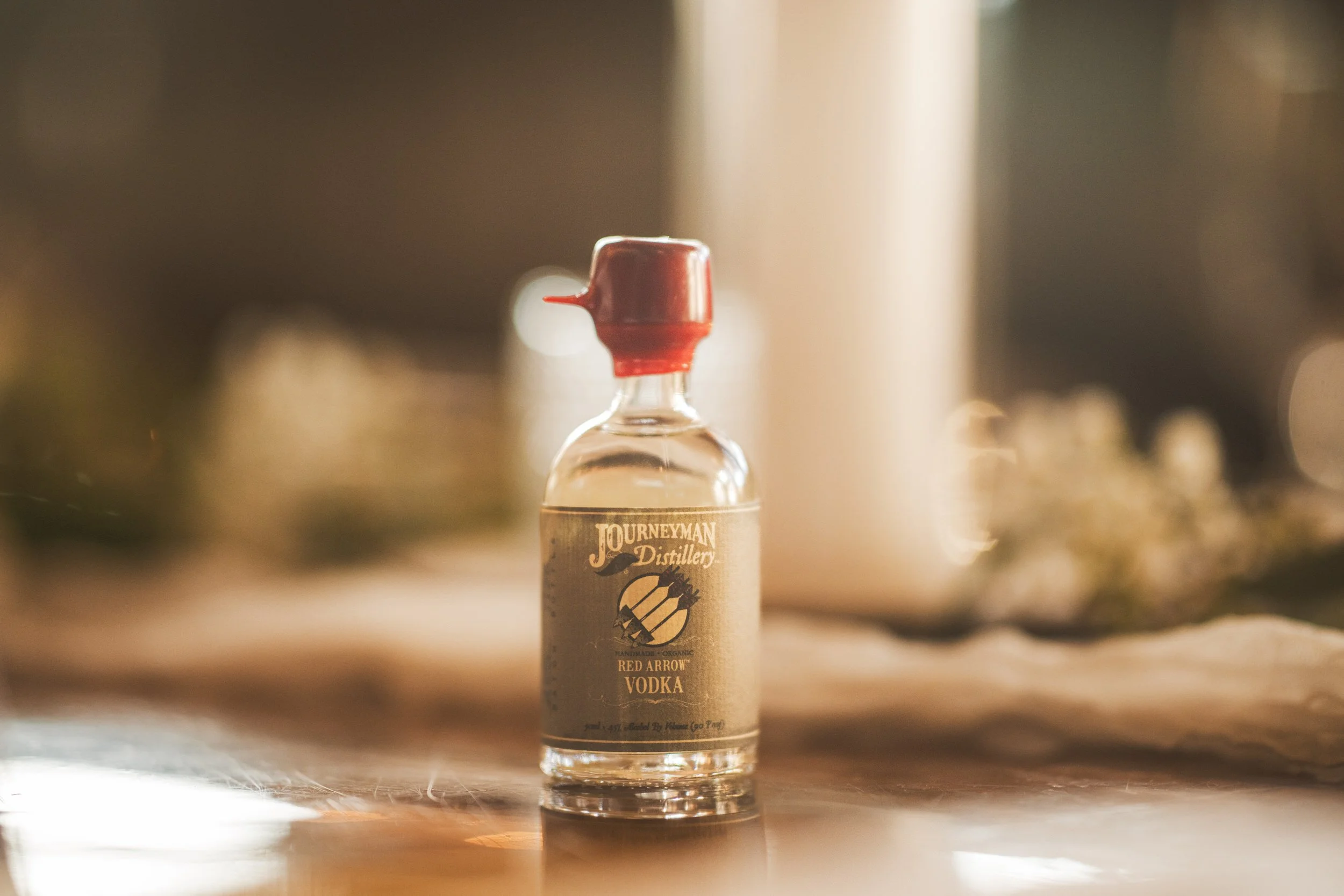
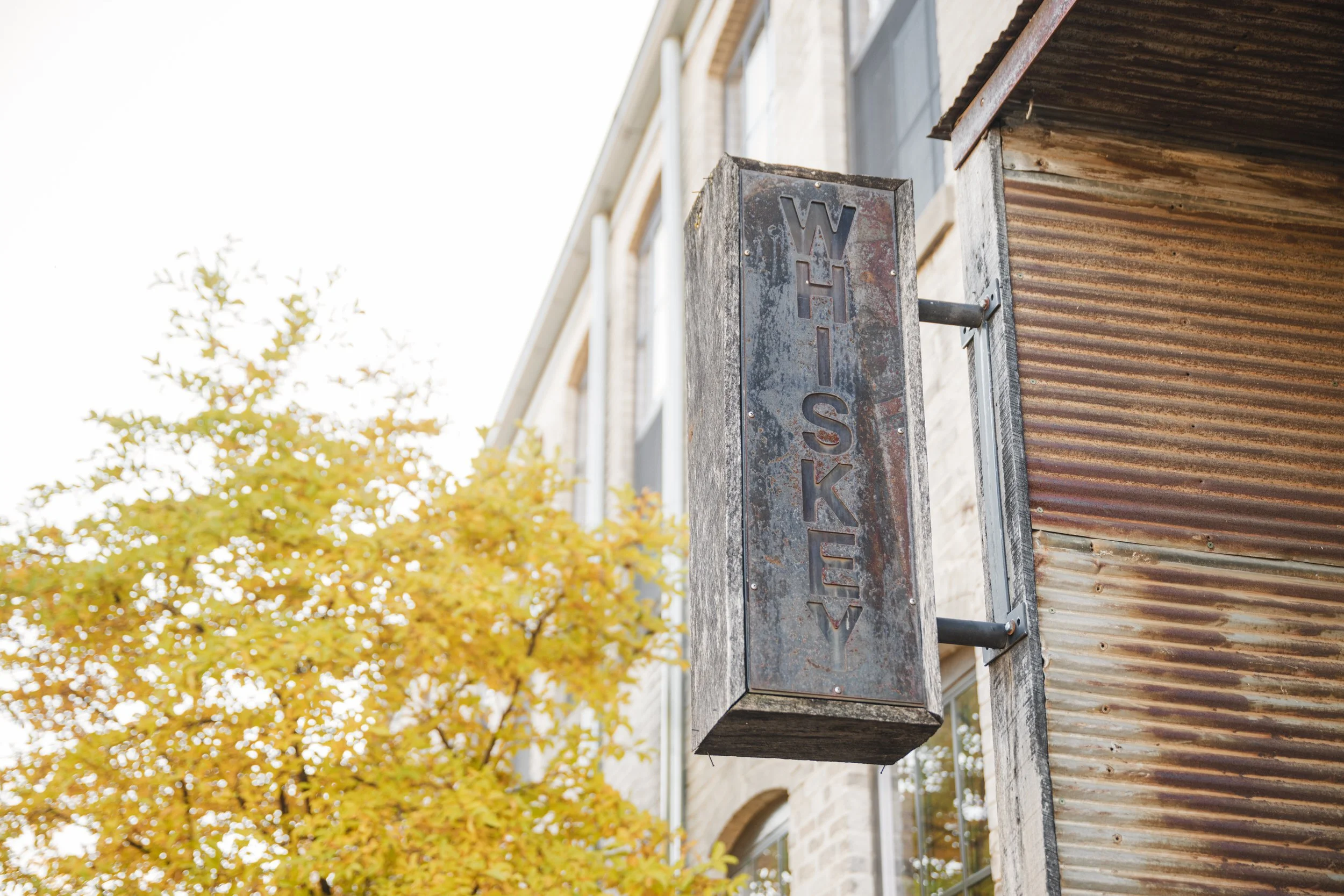
I started offering micro-weddings in 2020 alongside my regular wedding packages. They have grown quite popular, and in this article, I’d like to share images from a micro-wedding I photographed at Journeyman Distillery in Three Oaks, Michigan, and go over who these truncated weddings are for, and also who they are not for.
What is a Micro Wedding?
(click or tap on images to enlarge and advance)
A micro wedding is a smaller, more intimate version of a traditional wedding, typically featuring a guest list of around 10 to 50 people. While the scale is reduced, the experience itself is still intentional and complete—often including many of the same elements as a larger celebration, such as a ceremony, curated details, meaningful décor, and time set aside for portraits and connection. The focus isn’t on cutting corners, but on refining the day into something thoughtful and personal.
Unlike a quick courthouse ceremony or an elopement, a micro wedding is planned with care and structure. It may take place at a restaurant, private estate, boutique venue, or even a meaningful outdoor location, with a timeline that allows the day to unfold naturally. The result is a wedding that feels elevated yet intimate, where every guest is truly part of the experience and every moment has room to breathe.

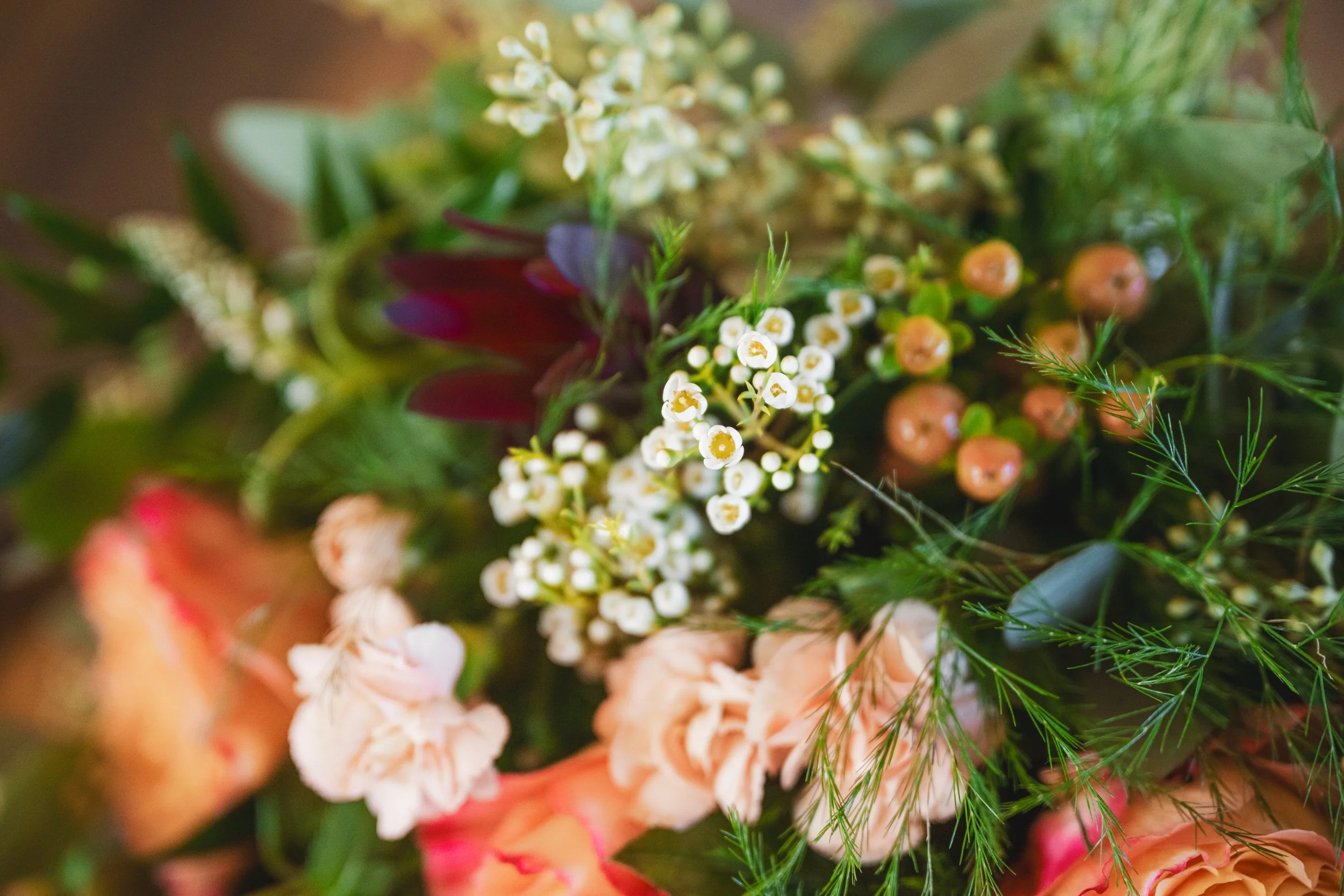
Who should have a Micro Wedding?
Micro weddings are a great fit for couples who value intimacy and connection over a large-scale production. They tend to appeal to those who are drawn to a more relaxed, intentional pace of the day. Couples who love the idea of a thoughtfully designed experience—whether that’s a beautifully set dinner, a unique venue, or more time for portraits—often find that a smaller guest list allows them to invest more into what truly matters to them.
That said, micro weddings aren’t for everyone. If you’ve always envisioned a packed dance floor, a large bridal party, or the energy that comes with a big crowd, scaling down might feel limiting. They can also be challenging for couples with large families or wide social circles, where narrowing the guest list could feel stressful or leave important people out. In those cases, a more traditional wedding—or even a larger celebration paired with a smaller, more intimate event—might be a better fit.
Many of my micro-wedding clients have children in their wedding party. Other clients have no wedding party at all or have only one person standing up on each side.
The Pros of a Micro Wedding:
Lower overall cost compared to traditional weddings, especially with fewer guests to accommodate
Ability to reallocate budget toward higher-end details like florals, food, attire, or photography
More flexibility with venues, including restaurants, private estates, and unique spaces not suited for large groups
More intentional guest experience, with time to truly connect with everyone
Less stress and simpler logistics, making the day feel more relaxed and manageable
More freedom with timeline, allowing for a slower, more meaningful pace
Elevated dining experience, often with plated meals or curated menus instead of large-scale catering
Photography Positives
More time for portraits, without the pressure of a packed schedule
More candid moments, as the day feels less rushed and more natural
Flexibility for multiple locations, especially in places like Chicago or along the lakefront
Cleaner, more intentional compositions, without large crowds in the background
A more relaxed couple, which naturally leads to better, more authentic photos
The Cons of a Micro Wedding:
Difficult guest list decisions, especially with large families or wide friend groups
Potential for hurt feelings if people expected to be invited aren’t included
Less of a “big event” atmosphere, which some couples have always envisioned
Limited dance floor energy without a larger crowd to build momentum
Smaller bridal parties (or none at all), which can feel like a trade-off for some
Vendors may still have minimums, so savings aren’t always as dramatic as expected
Fewer traditions included if the couple opts for a more simplified day
Photography Considerations
Less “high energy” reception coverage, especially if there’s no dancing or large celebration
More pressure on portraits and details to carry the visual story of the day
Weather and location play a bigger role, especially for outdoor or small venue weddings
Shorter overall timeline, which can result in fewer total images compared to a full-day traditional wedding
IMPORTANT: While I love capturing micro-weddings just as much as I do full day celebrations, the biggest mistake I see some couples make is trying to cram an entire wedding day into a condensed, micro-wedding / elopement.
This will result in everyone being stressed out, trying to breathlessly “complete” the agenda in a limited amount of time. I think this happens due to pressure from family members.
At the end of the day, a micro wedding isn’t about doing less—it’s about choosing what matters most and letting that lead the experience. For some couples, that means an intimate, intentional celebration filled with meaningful moments. For others, a larger gathering may feel like the right fit. Either way, the best wedding is the one that reflects you.
